welcome to fiji
WELCOME TO FIJI!
"Fiji, where happiness finds you"

Fiji is located in the South Pacific Ocean. It surrounds the Koro Sea about 1,300 miles (2,100 km) north of Auckland, New Zealand.
The archipelago consists of some
300 islands and 540 islets .Of the 300 islands, about 100 are inhabited. The two major islands are: Viti
Levu and Vanua Levu.
·
CAPITAL CITY: Suva (on Viti Levu),

·
MOTTO:
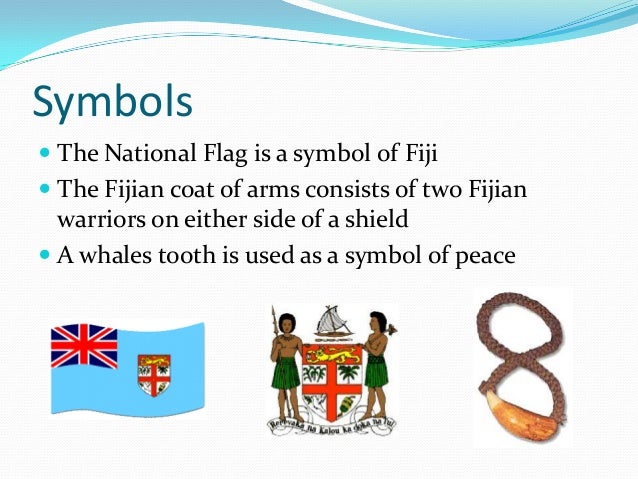
"Rerevaka na kalou ka doka na Tui" (Fear God and honour the King).
·
CURRENCY: Fiji dollar- 1,783.19 colombian pesos

· LANGUAGES: English (official), Fijian (official), Fijian Hindi or Fijian Hindustani
·

Fijian: An Austronesian language, Fijian is spoken by
the indigenous inhabitants of Fiji.
Fijian Hindustani : During the colonial rule of
Britain in India and Fiji laborers started settling down in Fiji, and the
language they spoke was known as Fijian Hindustani.
COMMONWEALTH

10 October 1970
Left in 1987; after a race-based military coup that
overthrew the country's first democratically-elected government led by an
ethnic Indian.
rejoined in 1997; suspended on 6 June 2000; as the Commonwealth expressed new concerns about
Fiji's commitment to democracy.
suspension lifted on 20 December 2001; again
suspended on 8 December 2006 because of the 2006 Fijian coup d'état.Suspension lifted on 26 September 2014.
EDUCATIONAL SYSTEM
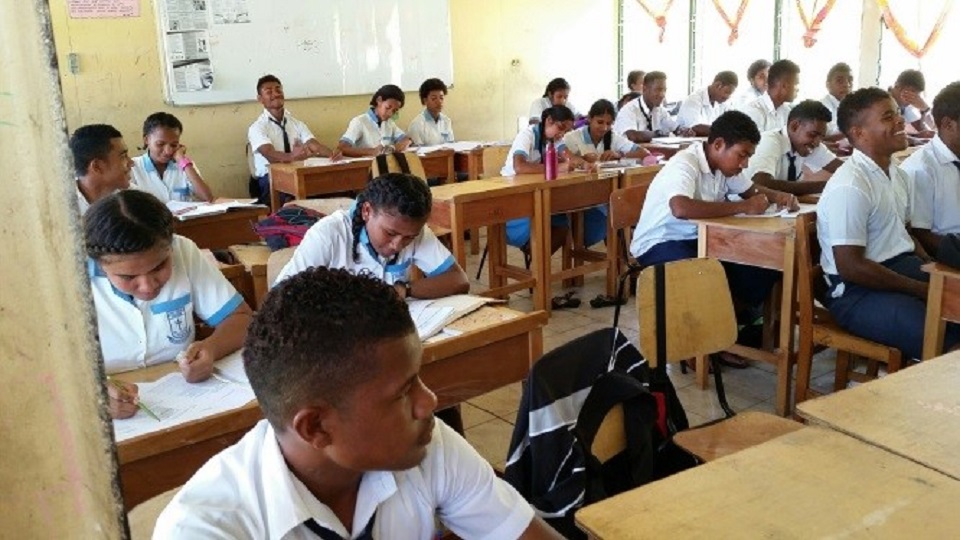
The structure of the Fijian
educational system is divided into primary school, secondary school, and higher
education. The language of instruction is English.
The primary school system
consists of 8 years of schooling and is attended by children from the ages of 6
to 14 years. Upon completion of primary school, a certificate is awarded and
the student is eligible to take the Secondary School Examination.
The University of the South
Pacific, called the crossroads of the South Pacific because it serves ten
English speaking territories in the South Pacific, is the major provider of
higher education. Admission to the university requires a secondary school diploma,
and all students must take a one-year foundation course at the university
regardless of their major.
ECONOMY


Fiji has a market economy
based primarily on tourism and agricultura.
the main cash crop and export is sugar cane.
Tourism is the largest foreign-exchange earner and clothing exports grew
rapidly from the late 1980s. Other significant activities are gold-mining,
fishing and timber production.

Culture


Fiji Religion
As a
multi-cultural, multi-racial nation, the people of Fiji follow all the world’s
major religions to varying degrees.
As you
drive through Fijian towns and countryside, you’ll encounter Christian
churches, mosques and Sikh and Hindi temples. Attending one of these Sunday
services, even if you aren’t religious, can be a really great way to gain
insight into Fijian village culture and the significance of family within the
community

Cultural
Ceremonies
The Lovo
This is a
magnificent feast cooked in the earth. Like a barbeque, the Lovo is a little
more smoked, and a very efficient way to cook large quantities of food
simultaneously. To hold your own you'll need:
The Meke
Music is
woven into the fabric of Fijian life and the Meke embraces traditional song and
dance to tell of legends, love stories, history and spirits of the islands. It
can vary from blood-curdling spear dances to gentle and graceful fan dances.

Yaqona (Kava)
Yaqona (pronounced yangona) is
better known as kava and is Fiji's national drink. It's made from the
pulverised root of a member of the pepper family

Fire Walking
Ceremony
With origins on the island of Beqa, Fire Walking is an ancient Fijian ritual that legend holds as being given by a god to the Sawau tribe.
With origins on the island of Beqa, Fire Walking is an ancient Fijian ritual that legend holds as being given by a god to the Sawau tribe.
GASTRONOMY
. Kokoda

. Rourou
Rourou is Dalo or Taro leaves and is similar
to spinach. It can be served in a variety of ways. One popular preparation is
to cook it down to a similar consistency as that of cream of spinach (without
the cream).  Coconut Bread
Nama
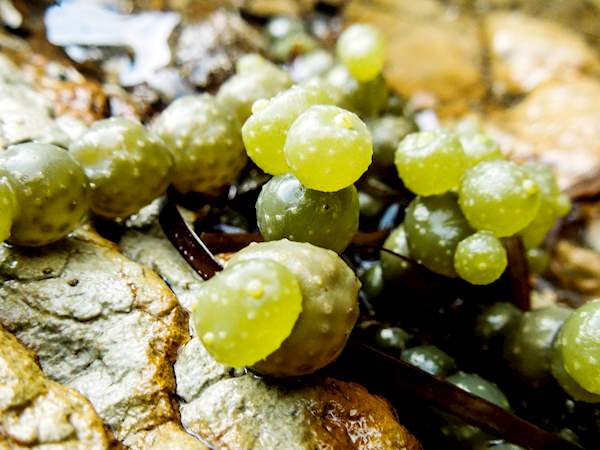
Nama are affectionately known as "sea grapes" in Fiji where they are harvested and grown in shallow waters. It's a signature item at hotel buffets and you can easily find them sold at the local market
PLACES TO VISIT
Blue Lagoon Cruise: Mamanuca and Yasawa Islands
Kula Eco Park, Viti Levu

COAT OF ARMS

Comentarios
Publicar un comentario